
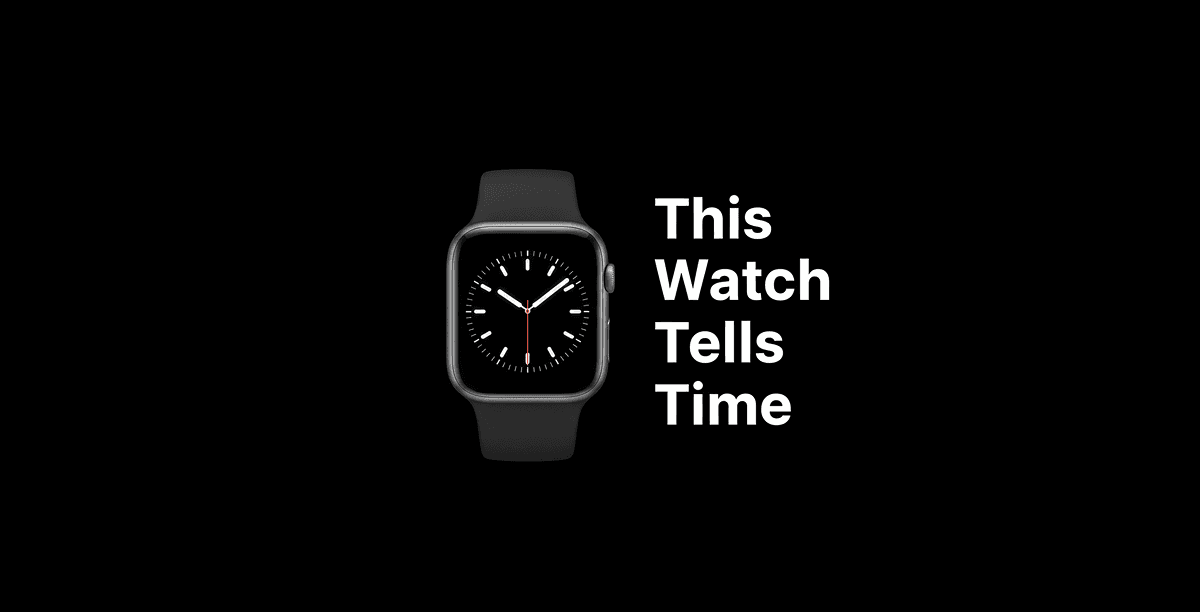
This Watch Tells Time
A watch that tells time — of course it does. When Apple released the Apple Watch Series 5, they presented it as if they were reclaiming something essential. And in a way, they were.
The Long Road to Always-On
From the very beginning, the Apple Watch was never just a watch. It tracked steps, guided workouts, mirrored notifications. But it couldn’t do the one thing a watch is supposed to do — tell time at a glance.
Because of battery limitations, the screen went dark unless you raised your wrist or tapped the display. Customers adapted, and many stopped noticing the flaw. The Watch still delivered plenty of value, and people loved it.
But Apple remembered.
Year after year, they worked quietly: shrinking power consumption, refining OLED panels, rethinking battery efficiency. And then, with the Series 5, they introduced the always-on display.
When it came time to announce it, they didn’t frame it as a triumph of engineering or a technical milestone. They said, simply:
“This. Watch. Tells. Time.”
It wasn’t a boast. It was a restoration — as if they were gently placing the watch back where it was always meant to be.
The White iPhone That Took Years
This wasn’t the first time Apple had held onto an idea longer than anyone expected.
In the early days, white was Apple’s signature color. The iMacs, the iPods, the MacBooks — all of them carried that unmistakable minimalist white. So when the first iPhone debuted in 2007, people assumed it would come in white too.
But manufacturing the front face in white proved nearly impossible. The paint wouldn’t hold; imperfections showed through. Apple refused to release a version that didn’t meet their standards. The first iPhone shipped only in black.
It was a compromise, yes — but not surrender.
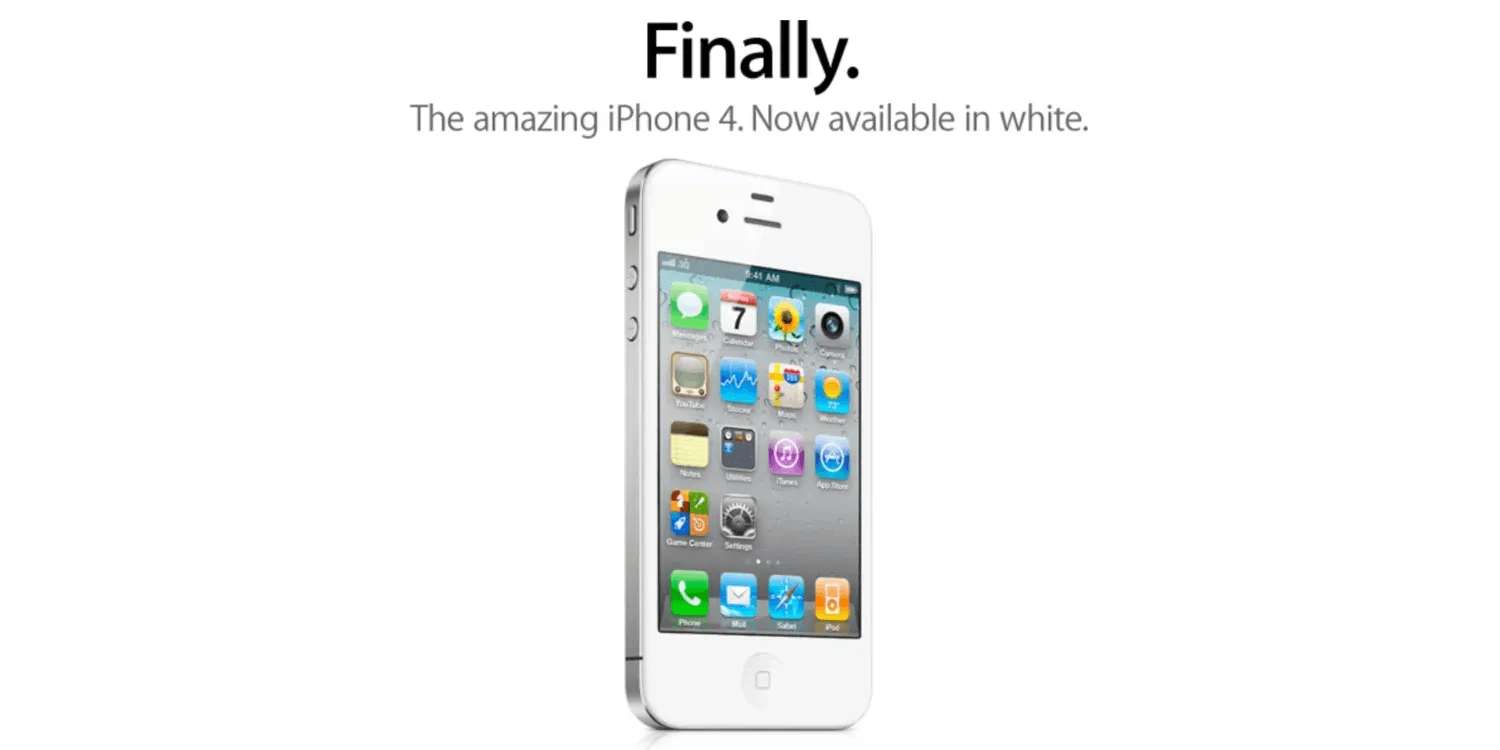
Years later, after painstaking engineering, the white iPhone finally arrived. Production costs were significantly higher than the black model, yet Apple kept the price the same. For them, this wasn’t just about offering a new color. It was about fulfilling a vision they had carried all along.
What It Means to Remember
Compromises happen. That’s part of making anything real. But forgetting — that’s the real danger.
The Apple Watch eventually told time, not because customers demanded it, but because Apple remembered it mattered. The white iPhone existed not because it was easy, but because Apple refused to let go of what it symbolized.
That’s what makes their approach powerful: they hold onto intent, even if it takes years to make it possible.
For the Rest of Us
In our own work, the story is the same. Budgets run short. Deadlines close in. Technology blocks the way. We compromise — but we don’t have to forget.
Design is not about delivering perfection in the first version. It’s about keeping that first spark alive, and returning to it again and again until it can finally shine.
Because design is a long game. And in the end, what matters most is whether we still remember why we started. Hold on to the vision. Protect it. Return to it. Because if you do, then one day, someone will hold your work in their hands — and it will feel inevitable, as if it was always meant to be.