Vibe design & develop an app in 5 weeks
As an follow up of Using AI to Build an AI Client
At the end of 2025, I started a new sprint.
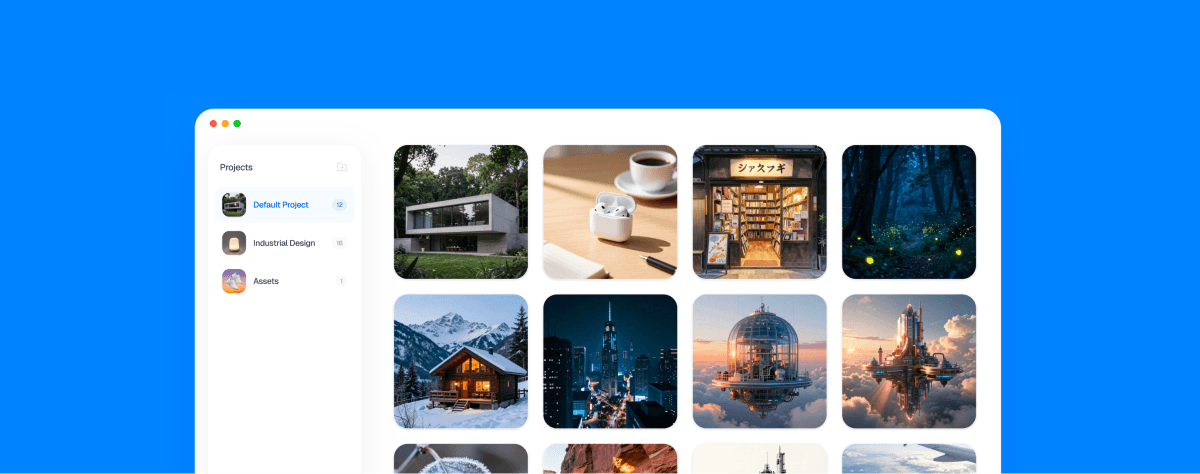
This time, the goal was to build a local AI image generation app.
But unlike tools like ComfyUI, I wanted something centered around a creator-focused workflow—something that’s actually enjoyable to use.
No complicated technical setup.
No endless configuration.
Just open the app and start creating.
The original plan was a 4-week sprint. It eventually stretched to 5 weeks when I decided to publish the app.
Here’s a brief week-by-week breakdown.
Week 1 — Try, fail, repeat
The first week was all about experimentation.
I burned through almost every free tier I could find—Cursor, Trae, Kiro, Antigravity, and more. The goal wasn’t perfection, but to see whether the idea was even feasible.
By the end of the week, I had a working POC.
The concept actually worked.
And more importantly, with AI’s help, I realized that I could build this from scratch.
That moment alone was worth the week.
Week 2 — Choosing the tech stack (and changing my mind)
The second week was focused on tech stack decisions—and a lot of second-guessing.
On the backend, I tried multiple approaches:
Standard Python libraries
StableDiffusion.cpp
Eventually landing on MLX
I switched backend implementations more times than I’d like to admit.
On the frontend, the story was similar:
Started with Swift
Switched to Electron
Tried Tauri
And finally decided to stick with Electron—for now
Not because it was perfect, but because it let me move forward.
Week 3 — Designing while coding
Week three was about refining the workflow and UI.
I deliberately don’t call this “vibe coding”, because I was designing while coding.
It wasn’t a linear process at all.
Most of the time, I only had a rough idea in my head. I’d ask AI to prototype something, review the result, tweak it, and then iterate again—piece by piece.
Design and implementation evolved together.
The product slowly shaped itself through iteration, not upfront planning.
Week 4 — Slowing down to focus
The first three weeks were intense.
I made a lot of mistakes, learned a lot of lessons, and kept adding more and more features—supporting more models, more options, more everything.
Eventually, I hit a point where it felt… too much.
So I paused.
Instead of adding new features, I started reviewing:
What are the core features that truly matter?
What needs polishing?
What should be postponed—or dropped entirely?
Around the same time, I began seriously considering publishing the app.
And honestly, the question became:
Why not?
Week 5 — From project to product
The final week was all about polishing the end-to-end user experience.
I focused on making sure that:
New users can get started quickly
The app makes sense even if they have little or no Stable Diffusion background
This week was also surprisingly time-consuming on the non-fun parts:
Code signing
Making the app compliant for App Store submission
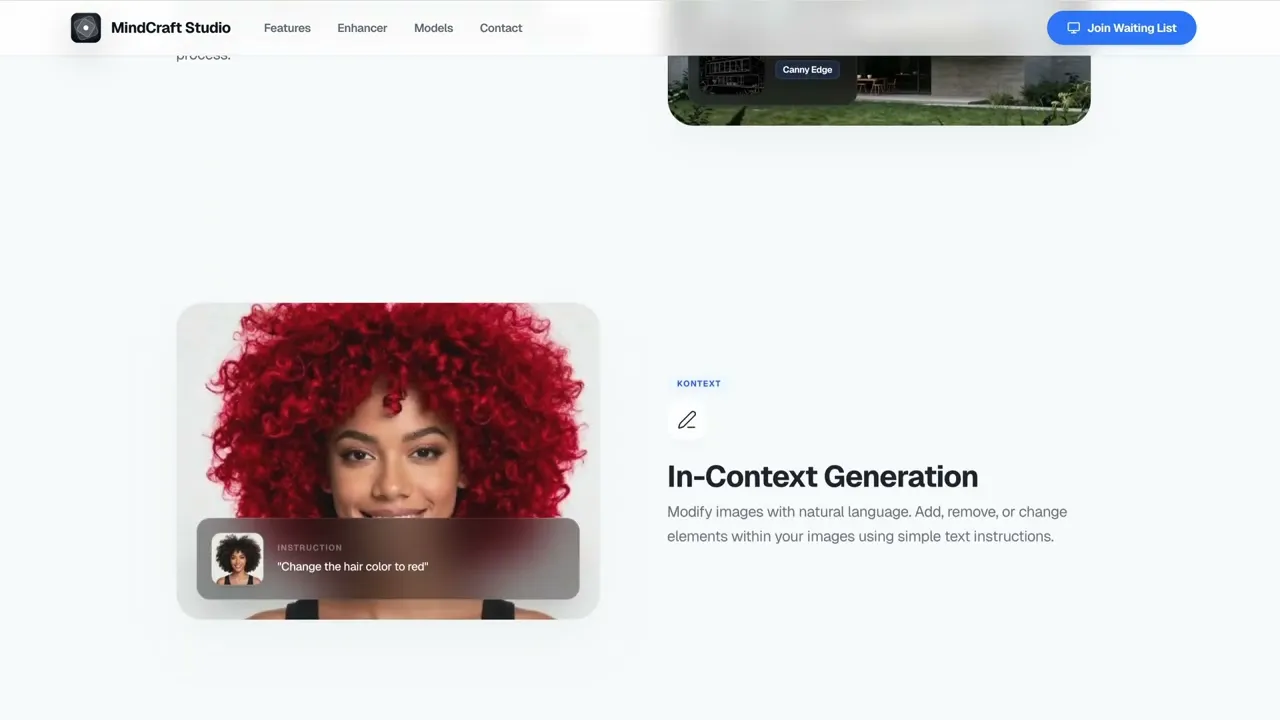
In parallel, I built a website to serve as the official introduction to the app.
And lastly, because a good product deserves a good story, I made a video to tell the story of how the app was built.
Sharing it with the world
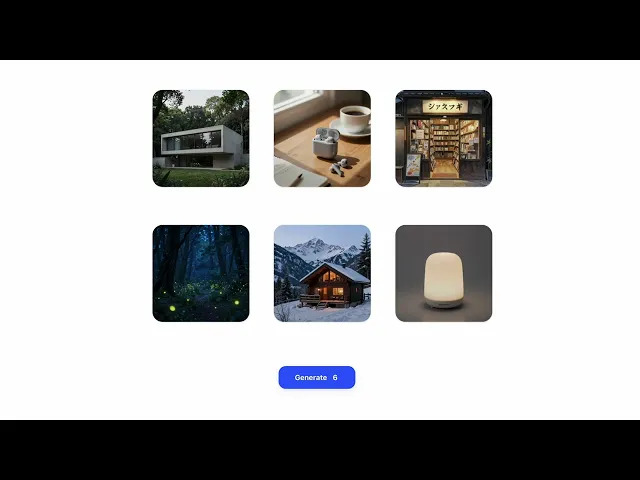
I posted the video on Reddit to see how people would react.
There were positive comments.
There were critical ones too.
To respond to the feedback—and to clarify the vision—I made a second video, going deeper into the details and decisions behind the app.
In Flow
Building this app changed how I think about creation.
AI didn’t just help me write code or generate UI—it changed how decisions were made.
Ideas no longer needed to be fully formed to be tested. They could exist as half-thoughts, sketches, or vague intentions.
Creation became less about execution, and more about conversation.
In that sense, this app isn’t just an AI image generator.
It’s a reflection of a new creative loop—where humans set direction, AI explores possibilities, and meaning emerges through iteration.
“Vibe design & develop” isn’t about moving fast for the sake of speed.
It’s about staying in flow, listening to intuition, and letting tools adapt to the creator—not the other way around.
And this feels like only the beginning.